
For years, when I taught energy management, I encouraged people to look at what drained their energy and what gave them energy. Then the goal was to create more balance between the two.
It is still useful advice, but lately, I have been thinking about energy management differently.
You can protect your energy, take breaks, and do all the things that help you recharge, yet still carry the frustration from one situation right into the next.
Maybe an employee asks a simple question, and you respond with less patience than you normally would, or you walk into a meeting ready to make a decision when the people in the room really need a conversation. You may even keep offering support to someone who needs to be challenged and held to a higher standard.
You have energy, but are you bringing the right energy to the situation in front of you?
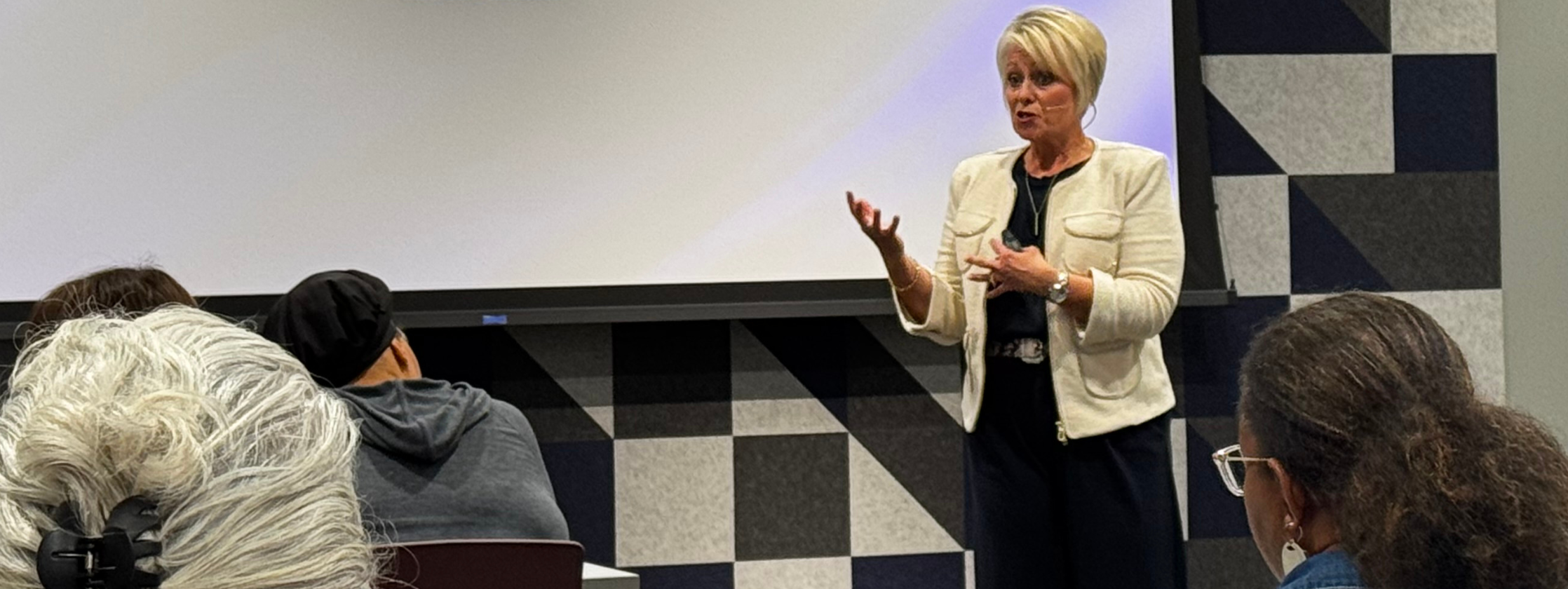
Last week, while speaking to the St. Louis Apartment Association, I asked the audience to consider a different question:
What energy does this situation actually require from me?
The harder part is noticing what you are already carrying before you decide what the next situation needs.
When the Energy No Longer Fits
Leaders move quickly. You go from a client problem to a staff question, then into a planning meeting, usually without a clean break between them.
The energy that helped you handle one situation may work against you in the next. You may also default to the energy that comes most naturally, whether the moment needs it or not.
Seven Types of Leadership Energy
Depending on what is happening, the situation may require:
- Calm energy when emotions are high and people need stability.
- Conversational energy when you need openness, participation, or connection.
- Investigative energy when something went wrong and you need facts before conclusions.
- Decisive energy when people need clarity, direction, or a final answer.
- Supportive energy when someone needs encouragement or help moving forward.
- Challenging energy when expectations need to be reinforced or performance needs to improve.
- Visionary energy when people need to see what is possible and why their work matters.
You may need more than one type of energy in the same conversation. A difficult performance discussion may begin with investigative energy so you understand what happened, shift into challenging energy when expectations need to be addressed, and end with supportive energy as you clarify what happens next.
Most leaders have a type of energy that comes naturally, and it may be one of the reasons you have been successful. The goal is to recognize when the moment requires something else.
Before You Move Into the Next Situation
Take a moment before you respond, walk into the room, or click “Join Meeting.” Ask yourself:
- What energy am I carrying from the last situation?
- What energy does this situation require?
- What do I need to do to make that shift?
Sometimes you are already bringing what the moment needs. Other times, you need to pause long enough to reset. That may mean taking one breath, walking down the hall, or reminding yourself that the person in front of you does not deserve the leftovers from what happened ten minutes ago.
Each of these moments may seem small, but they shape what you communicate before you say a word and, over time, the culture around you.
Leadership requires range. The skill is recognizing what the moment needs and being able to shift your energy to meet it.
That is the part of energy management I believe we need to talk about more.
I’m Kelli Risse, a leadership keynote speaker and peak performance coach. I help leaders and business owners strengthen their capacity, lead their people well, and sustain high performance without running themselves into the ground.
What type of energy comes most naturally to you, and which one is harder to access when you need it? I would love to hear your thoughts.