
Kelli Risse | Peak Performance Business Coach & Keynote Speaker | July 16, 2025
A client once told me, “We gave our team more time off, upgraded the snacks in the break room, and brought in a wellness speaker. But the stress didn’t go away. People were still checking emails at night, skipping lunch, and working straight through the weekend.”
That comment stuck with me. Not because it was shocking, but because it was so common. Many leaders are putting effort into wellness—without seeing the results they expected. They’re addressing symptoms, not the system. And they’re missing the one lever that makes all the difference.
Workplace wellness starts with how leaders show up, set the tone, and model success with wellbeing at the center.
What Workplace Wellness Is Not
Real wellness at work is not about having a meditation app on your phone while your brain is stuck in stress mode. Nor is it offering flexible schedules while praising the person who works all hours. It’s also not giving mental health days while piling on impossible expectations the other 363 days a year. Although these efforts are well-intentioned, if the leadership mindset does not shift, neither will the culture. And culture is what drives behavior when no one is watching.
The Real Drivers of Workplace Wellness
As a peak performance business coach, I work with leaders who are committed to their people and want to create a healthier environment. Most were taught to lead through pressure, not through clarity. They unknowingly model urgency, over commitment, and self-neglect, an energy that trickles down into the entire organization.
Here are the shifts strong leaders are making to create real wellness in their organizations without sacrificing performance:
Audit the unspoken expectations
Wellbeing is often undermined by what leaders never say out loud. Are people praised for skipping lunch? Is the “last one to leave” seen as the most committed? Do team members feel pressure to respond immediately to messages, even during off-hours? Unspoken norms create stress, even in the most flexible environments.
Stop solving stress with surface-level perks
Snacks, yoga classes, and apps are supportive but not the solution. Chronic stress builds when people do not feel seen, heard, or supported. Start with meaningful conversations. Ask your team: What gives you energy in your role, and what drains it? Look for friction points that can be solved through clarity, not more perks.
Teach your leaders to self-regulate first
Wellness does not spread from the bottom up. It starts at the top. When leaders struggle to manage their own stress, it shows up in how they communicate, react, and set priorities. Emotional regulation is a performance and success skill. The more grounded a leader is, the more stable the team becomes.
Create time for clarity
You cannot lead well when your brain is in constant reaction mode. Strong leaders block time to think. They pause before responding. They create space for reflection and decision-making. That intentional pacing ripples through the team and gives everyone permission to breathe.
Recognize and respond to the real sources of stress
Wellness is not about removing all pressure. It is about addressing the right pressure points. Real stress comes from misaligned workloads, unclear priorities, poor communication, and lack of support or recognition. When leaders understand these patterns and take action, they reduce friction before it becomes burnout.
Why This Matters More Than Ever
The workforce is not asking for ping-pong tables or office nap pods. They are asking for sustainable expectations. They want to work hard, do meaningful work, and have a life outside of it. Real workplace wellness meets that desire without lowering the bar for performance.
Strong leaders get this. They are not afraid to disrupt the old model because they understand the return: higher trust, stronger communication, and a team that performs without burning out.
If you are a leader who wants to create a culture where wellbeing is the norm, not the exception, start with yourself. Audit what you are modeling. Pause before reacting. Protect your time to think clearly.
One change in how you lead can create lasting change in how your team lives and works.
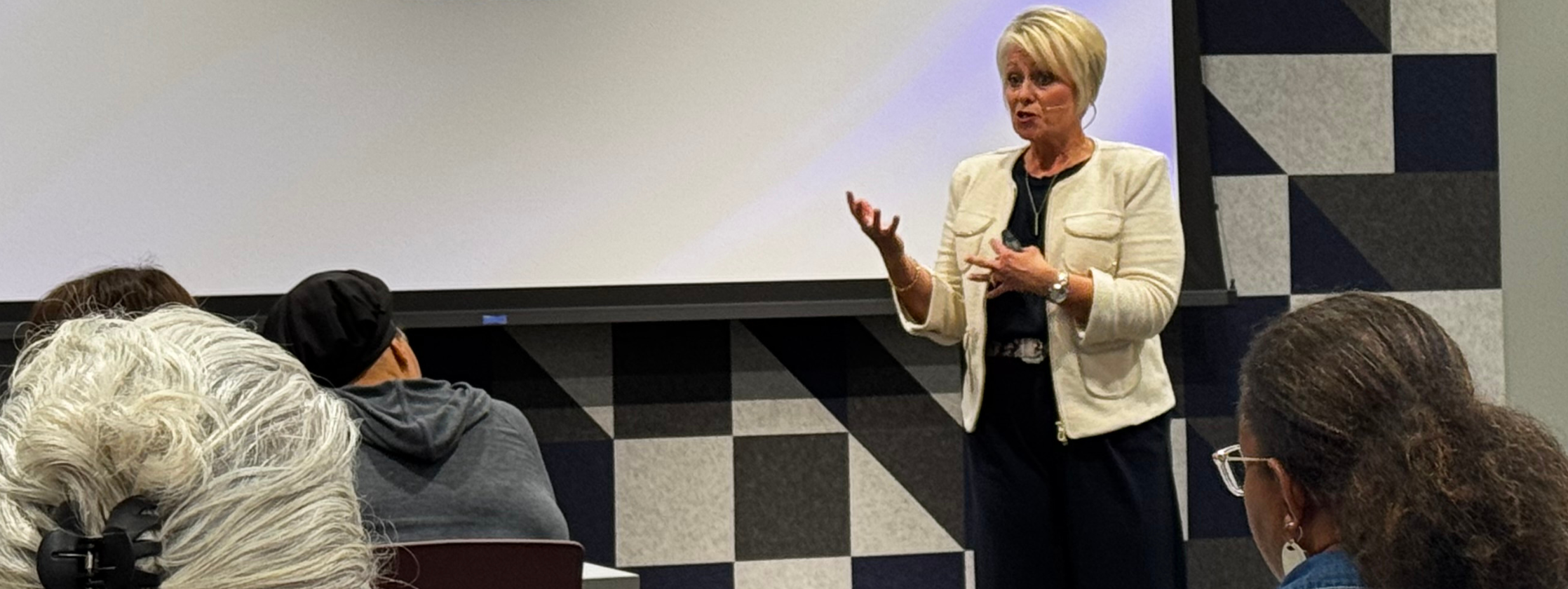
Kelli Risse works with business owners, leaders, and sales professionals to maximize productivity, avoid burnout, and retain top talent.
Check out her latest book, Mindset Mastery: 25 Principles to Outsmart Burnout and Redefine Success, available now on Amazon: https://www.amazon.com/dp/B0DWN9DRZB
Learn more about her speaking, coaching, and consulting services at: https://www.kellirisse.com